Have you ever noticed that sometimes you feel full quickly… and other times you feel hungry again soon after eating?
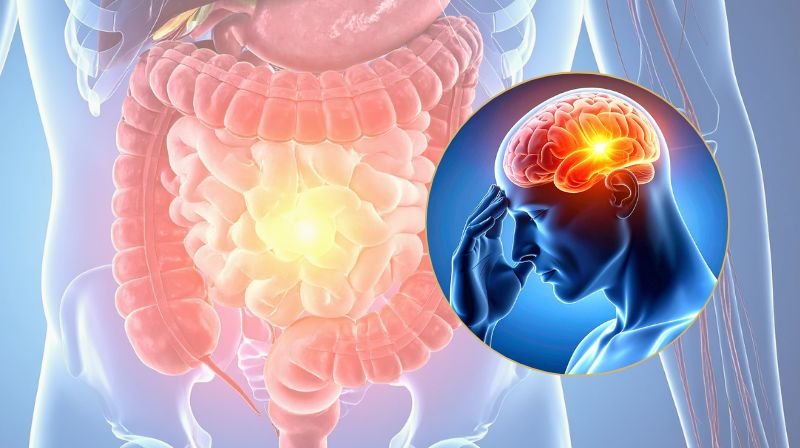
That’s not random. It’s because your gut and your brain are constantly talking to each other.
And modern appetite medicines don’t force your body to do something unnatural. They simply help this conversation work properly again.
Let’s break it down in a simple way.
Your gut and brain are always texting each other
Inside your body, your stomach and intestines act like smart sensors.
When food enters your gut, special cells detect nutrients like sugar, fat, and protein. These cells then release hormones, tiny chemical messengers.
Think of these hormones like text messages sent to your brain.
Some common messages include:
• “Food has arrived.”
• “We’re starting to feel full.”
• “You have enough energy now. You can stop eating.”
Your brain reads these messages and decides:
Am I still hungry? Or am I satisfied?
This system is called the gut-brain connection, and it plays a major role in appetite, weight, and energy balance.
Meet the key hormones: the body’s natural appetite regulators
One of the most important groups of hormones involved are called incretin hormones, such as GLP-1 (glucagon-like peptide-1).
These hormones have several important roles:
• They help control blood sugar after eating
• They signal to your brain that you’re full
• They slow how quickly food leaves your stomach
This is why, when everything works well, hunger rises and falls naturally. You eat, feel satisfied, and don’t constantly think about food.
What can change in obesity and type 2 diabetes
In people living with obesity or type 2 diabetes, this gut-brain communication may not work as effectively.
The body may:
• Produce weaker fullness signals
• Respond less strongly to fullness hormones
• Have stronger hunger and reward signals
This is biology, not a lack of discipline or willpower.
The brain may continue sending “eat more” signals even when the body has enough energy stored.
This is one reason why managing weight can be medically complex.
How modern appetite medicines help restore balance
Newer medicines, including GLP-1-based treatments, are designed to act like the body’s natural hormones.
They work by supporting the same communication pathway between the gut and brain.
These medicines may:
• Strengthen fullness signals
• Help people feel satisfied sooner
• Slow stomach emptying
• Support healthier blood sugar regulation
Many people describe the experience as:
“Less constant hunger”
“Fewer cravings”
“Less mental noise about food”
These medicines don’t remove hunger completely. They help bring appetite signals back into a more balanced state.
Important facts: these medicines are medical treatments, not shortcuts
These treatments are prescribed by healthcare professionals after careful assessment.
They are typically considered for people with:
• Obesity, or
• Overweight with medical conditions such as type 2 diabetes or cardiovascular risk factors
Like all medicines, they can have side effects, especially when first started. These may include nausea or digestive discomfort, which healthcare professionals monitor closely.
They are not designed for casual use or cosmetic weight loss.
Medical supervision is essential.
Special considerations for Muslim youth and families
For Muslim individuals, appetite and weight treatment decisions may also involve religious and family considerations.
Common questions include:
• How treatments interact with fasting during Ramadan
• Maintaining energy for prayer, school, or work
• Cultural understanding of obesity as a medical condition
Healthcare decisions should respect both medical science and personal beliefs.
A supportive healthcare team will consider physical, emotional, and spiritual wellbeing.
The key takeaway: these medicines support the body’s natural system
Appetite medicines do not create a new system. They support an existing one.
They help improve communication between the gut and brain, allowing appetite signals to function more normally.
Obesity is a medical condition involving hormones, metabolism, and brain signalling.
Understanding this helps replace blame with science, and confusion with clarity.