Many people first meet BMI in a school lesson or a clinic waiting room and then quietly wonder what this single number says about them as a person. Behind that simple ratio is a long story about statistics, public health, and how a population tool became widely used in individual conversations about health.
Understanding that story can help shift the focus from “What is wrong with me” to “What exactly is this number designed to do” which is a very different question.
What BMI Is
BMI stands for body mass index and is calculated by dividing a person’s weight in kilograms by their height in meters squared. It is a quick way to group large numbers of people into broad categories related to body size.
The formula was first proposed in the nineteenth century by a Belgian mathematician named Adolphe Quetelet who was interested in the “average man” in a population, not in diagnosing individuals.
More than a century later, researchers such as Ancel Keys tested different height and weight formulas and concluded that BMI was a practical option for comparing body size in large studies. At that stage it was still described as a population measure rather than a personal health verdict.
What Science Says About Its Use
During the twentieth century, BMI became popular with epidemiologists, insurers, and global health agencies because it was simple, cheap, and easy to standardize across countries. It allowed researchers to track patterns of higher body size and link them statistically to risks such as diabetes and heart disease across large groups.
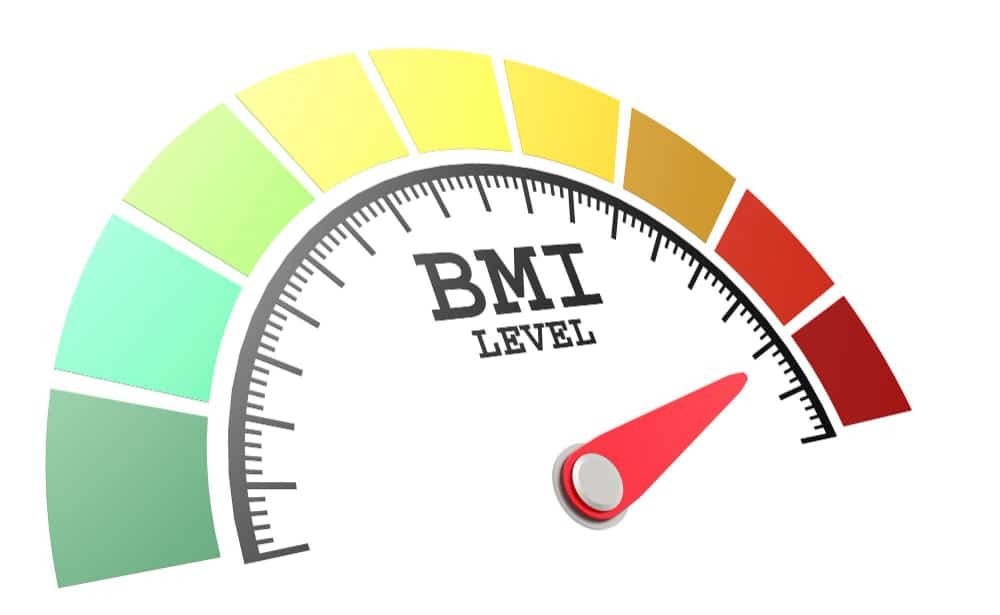
Global organizations later set cut off ranges to describe categories such as “underweight” “normal range” “overweight” and “obesity” mainly to monitor trends and plan public health responses. These ranges helped governments and health systems understand how common higher BMI values were in a population and where resources might be needed.
Because BMI was convenient and well known, it gradually appeared in guidelines, electronic medical records, and health surveys. Over time this reinforced its image as a standard measure even though it was never designed to capture the full picture of an individual body.
What BMI Does Not Do Well
Despite its wide use, BMI has important limits. It does not distinguish between muscle, fat, and bone and it cannot show where fat is stored in the body which can matter for health risk. Two people with the same BMI can have very different body compositions and very different health profiles.
Early research that shaped BMI categories often focused on narrow groups such as non Hispanic white men which means the same cut offs may not reflect risk equally for all ethnicities, ages, or body types.
As a result many professional groups now caution against using BMI alone in personal clinical decisions and suggest that it be combined with other measures such as waist measurements, blood tests, and overall health assessment.
The Broader Context
BMI can still be useful when viewed as a population tool. Public health teams use it to follow trends over time, compare regions, and monitor inequalities that may be linked to food systems, activity environments, or social disadvantage. In this context some individual misclassification is accepted because the goal is to understand patterns rather than to label a specific person.
At the same time, many communities and experts raise concerns about stigma, bias, and oversimplification when BMI is treated as a personal scorecard. Ongoing debates explore how to balance simple tools like BMI with more nuanced ways of looking at health such as metabolic markers, fitness, mental well being, and lived experience.
A Neutral Closing Reflection
BMI began life as a way to describe the average body in a population and it still works best in that role. When the same number is used as a personal label it can easily be misunderstood or feel judgmental especially without other health information alongside it.
Science in this area continues to evolve. New measures and combinations of measures are being explored and different professional bodies are updating how they talk about BMI. For now, viewing BMI as a rough population indicator rather than a full personal story can support a more balanced and compassionate perspective.