How hormones influence weight is a story of messages, receivers, and many moving parts, rather than a simple on off switch.
Meet your body’s “text messages”
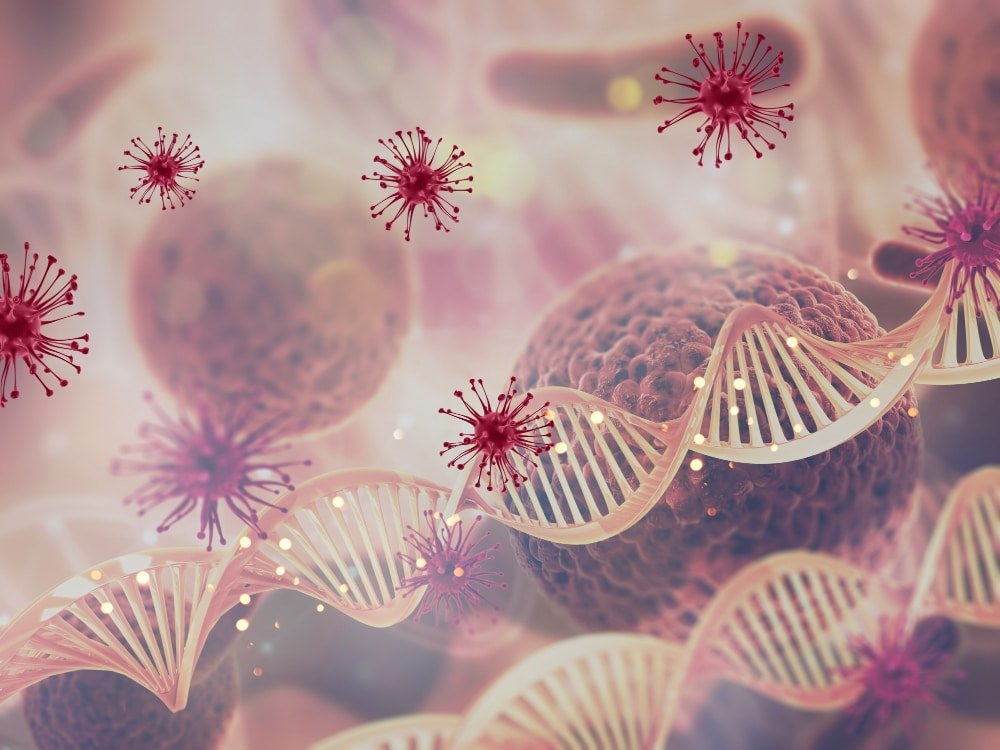
Hormones are chemical messengers that travel through the blood and carry information between organs, including the brain, gut, fat tissue, and muscles. These messages help coordinate appetite, energy use, storage of fat, and how the body responds to stress.
Several hormones are especially relevant to body weight, such as those linked with hunger and fullness, insulin and blood sugar control, thyroid function, stress responses, and reproductive health. The brain area called the hypothalamus acts as a control center that receives these hormonal signals and helps adjust appetite and energy balance over time.
What science currently understands
Research suggests that hormones involved in hunger and fullness, including leptin and ghrelin, interact with brain circuits to influence how much people feel like eating and how satisfied they feel after meals. In general, leptin is produced by fat tissue and tends to signal longer term energy stores to the brain, while ghrelin rises with hunger and usually falls after eating.
Studies also show that insulin, cortisol, thyroid hormones, and sex hormones can affect how the body uses or stores energy, how sensitive cells are to insulin, and where fat is more likely to be stored. For example, higher cortisol levels have been associated with more fat around the abdomen and a higher risk of metabolic complications in many people. Research in both adults and children suggests that weight and hormones influence each other in both directions, often creating complex feedback loops rather than one way effects.
What these hormones can and cannot do
Hormones can contribute to changes in appetite, cravings, fullness, and energy levels over weeks, months, or years, which may play a role in weight gain or weight loss in some individuals. They can also interact with each other, so that shifts in one hormone sometimes lead to adjustments in several others.
However, hormones do not work in isolation from factors such as food environment, sleep, movement patterns, mental health, medications, and genetics. Scientific reviews point out that the same hormonal profile can show very different weight and health outcomes in different people, which means hormones are only one piece of a much larger puzzle.
When the picture is not so simple
Researchers highlight that the current understanding of appetite and weight regulating hormone networks is still incomplete and continues to evolve. Many studies are done in carefully selected groups or in laboratory conditions, which may not fully match everyday life for most people.
There are also important differences between individuals, including sex specific patterns, life stage, and underlying health conditions, which can change hormonal responses to weight changes and vice versa. As a result, findings from one study or group cannot always be directly applied to everyone, and apparent contradictions between studies are common in this field.
Hormones in the wider health landscape
Looking at hormones and weight in a broader context may help reduce blame and oversimplification. Research increasingly describes obesity as a condition influenced by biology, environment, and social factors together, rather than by personal choice alone. Hormonal signaling is one of several biological systems that may respond to long term stress, sleep disruption, energy intake, and other life circumstances.
Because hormonal pathways also affect fertility, growth, bone health, and metabolic risk, scientists are exploring them not only in relation to body size but also in relation to long term health outcomes. Ongoing studies aim to clarify which patterns are most important for health and which changes are simply normal adaptations to different bodies and environments.