Insulin and non insulin medicines both relate to blood sugar control but they work in different ways and sit in different places in diabetes care. Understanding the difference can make the whole treatment landscape feel less mysterious even though only a health professional can advise what is right for any one person.
Meeting the star of the show insulin
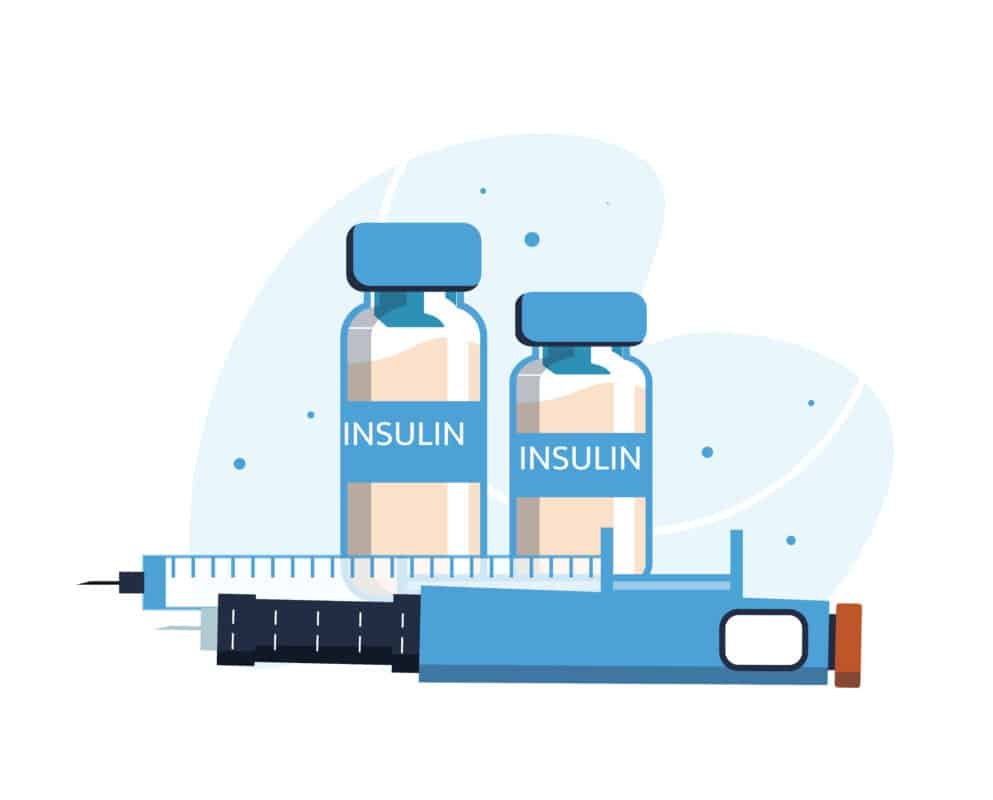
Insulin is a natural hormone made by the pancreas that helps move glucose from the blood into body cells so it can be used for energy or stored for later. In some forms of diabetes the body makes very little or no insulin which means manufactured insulin can be used to replace what is missing. Insulin medicines are usually given by injection or through a pump and there are many types that differ in how quickly they act and how long they last in the body. All of them share one central idea they provide insulin from outside the body to help lower blood glucose levels.
Non insulin medicines the helpers behind the scenes
Non insulin diabetes medicines are a broad group of treatments that help the body handle glucose without directly replacing insulin itself. Some are tablets that people swallow while others are injections that are not insulin such as certain gut hormone based treatments and other injectable agents. These medicines include classes like metformin SGLT2 inhibitors DPP 4 inhibitors thiazolidinediones and several others each with its own main target in the body. Many work by helping the body use its own insulin more effectively reducing sugar production in the liver or helping the kidneys remove extra glucose in the urine.
How they work in different ways
Insulin medicines add insulin from outside the body so cells can take up more glucose from the blood which tends to lower blood sugar directly and sometimes quickly. They can be essential in situations where the pancreas cannot make enough insulin such as type 1 diabetes and in some people with type 2 diabetes over time. Non insulin medicines act more like coaches and support teams they try to improve the performance of systems that are already there rather than replacing them. For example some medicines help the pancreas release a bit more of its own insulin some make muscles and fat tissue more sensitive to insulin and others lower how much glucose the liver produces or increase glucose loss through the kidneys.
When each type is usually considered in guidelines
Educational resources often explain that many people with type 2 diabetes start with non insulin medicines especially when the body is still making insulin but not using it efficiently. Over time if blood sugar targets are not reached or if insulin production drops some people may need to add insulin to their plan. For type 1 diabetes current medical understanding is that insulin is required because the body makes very little or none of its own. At the same time non insulin medicines may sometimes be added in certain situations based on specialist guidance and local protocols but this is not universal and depends on individual factors. These patterns come from guideline summaries and may not match every country clinic or person.
What this comparison does not cover
This overview does not list every type of insulin or non insulin medicine every possible side effect or any specific product names which are covered in more detailed professional sources. It does not talk about doses timing or combinations because those choices depend on personal medical history other medicines kidney and liver function pregnancy considerations and many other factors. It also does not say that one type is better than another since research often shows that benefits and risks can differ widely from person to person.
Neutral closing thought
If you imagine diabetes treatments as tools insulin is the direct replacement tool for a hormone that the body cannot always supply while non insulin medicines are the fine tuning tools that adjust how the body uses and manages glucose. Both groups have important places in modern diabetes care and ongoing research continues to update how they are combined and when they are used. Any decision about starting changing or stopping these medicines belongs in a careful conversation with a qualified health professional who knows the full medical picture.