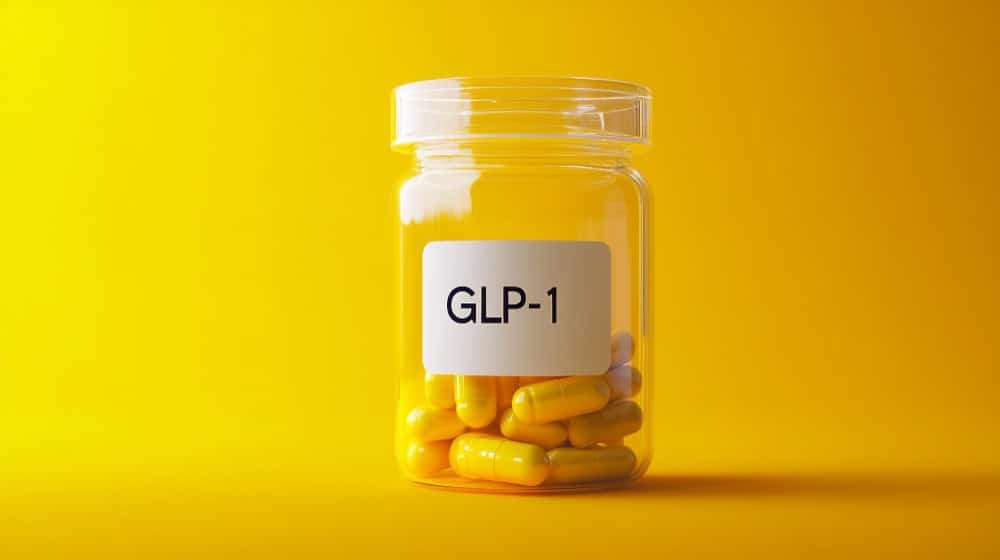
Ever wondered how science is reshaping our understanding of metabolism and appetite control? Behind that conversation lies a fascinating area of research exploring GLP‑1 and dual incretin medicines. They are part of an ongoing journey to interpret how our bodies manage energy, hunger, and glucose, using natural hormonal signals rather than simple calorie math. Let’s unpack that science together in plain language.
What Are These Molecules, Really?
GLP‑1 (which stands for glucagon‑like peptide‑1) is a naturally occurring peptide hormone. It helps the body communicate between the gut and other organs, including the brain and pancreas. Scientists first noticed that GLP‑1 can influence how the stomach empties food, how satisfied we feel after eating, and how blood sugar is managed through hormone signaling.
Dual incretin molecules are newer research models built on the same idea but designed to engage two hormones from the “incretin family.” This means they interact with GLP‑1 and another similar hormone called GIP (glucose‑dependent insulinotropic polypeptide). Scientists are studying how these two pathways might work together to influence multiple body systems at once.
What Science Says So Far
Across different studies, both GLP‑1 and dual incretin medicines have shown strong biological effects in laboratory and clinical settings. Researchers have found that GLP‑1 pathways play key roles in appetite signaling and glucose control, which may support metabolic health. Dual incretin medicines appear to extend these effects, making the conversation about them even more exciting in the world of endocrinology.
Evidence suggests that combining GLP‑1 and GIP actions could have additive or synergistic results. However, the scope of these benefits and their long‑term outcomes remain actively researched. Science is still exploring exactly how these systems interact across people with different metabolic profiles, dietary habits, and genetic variations.
What They Do Not Do
It’s very important to remember that these molecules are not magic solutions. They do not replace healthy lifestyle choices, responsible medical assessments, or balanced nutrition. The evidence describes potential mechanisms, not guarantees.
Furthermore, the research community continues to evaluate how the body adapts to these signaling changes over time. Questions about durability, individual variability, and balance between hormone effects are ongoing. The takeaway: they are fascinating tools for study, not shortcuts or assured results.
The Bigger Conversation About Metabolic Health
When viewed in the broader picture, the GLP‑1 and dual incretin discussion highlights how interconnected human metabolism truly is. There is a growing understanding that weight and glucose management depend on more than willpower—they involve a network linking gut, brain, liver, and muscle activity.
This expanding knowledge helps reduce stigma around metabolic conditions by shifting attention toward biological complexity instead of personal blame. Whether through scientific papers, public health initiatives, or regulated medical programs, these discoveries invite deeper appreciation for how intricate the body’s systems are.
A Calm Reflection to End With
The story of GLP‑1 and dual incretin medicines reminds us that science evolves step by step. Each study shines new light, but also reveals more questions to ask next. Balanced, evidence‑based curiosity is what moves public health forward—and that’s the spirit Plorvo celebrates in its educational mission.
Understanding these molecules responsibly means embracing both their promise and their limits. Progress happens when science and society meet halfway, guided by openness, safety, and rigorous inquiry.