
A curious question many people ask
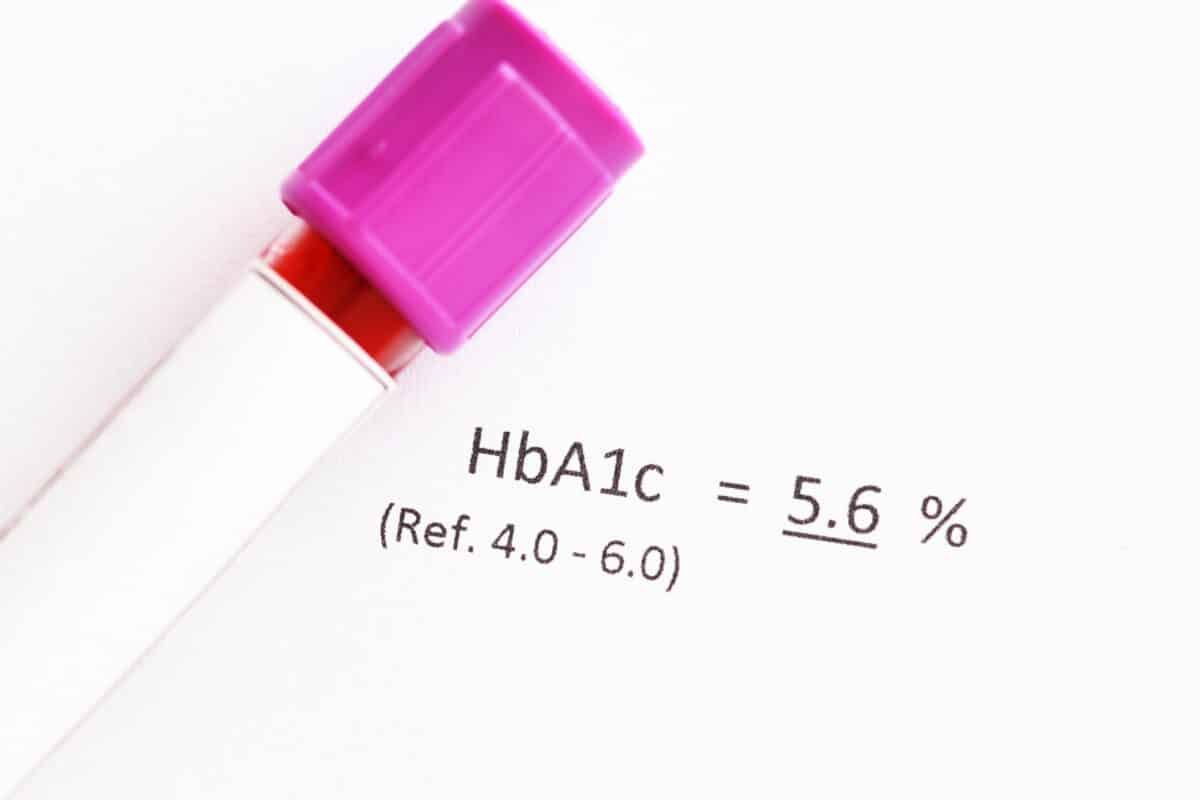
Ever wondered what those strange letters and numbers — HbA1c — on your blood test really mean? It sounds a little mysterious, yet it’s one of the most talked-about terms in health circles. Whether someone is exploring their wellness or managing a chronic condition, this tiny marker has a big story to tell about how the body handles sugar over time.
What exactly is HbA1c
HbA1c refers to glycated hemoglobin, a form of your red blood cell protein that binds with glucose in your bloodstream. When sugar attaches to hemoglobin, it stays there for several weeks until the blood cell is replaced. That’s why HbA1c gives a picture of how glucose levels have behaved on average during the past two to three months, instead of just one moment in time.
You can think of it like a “semester report card” for blood sugar. Instead of one day’s result, it sums up how well the system has been keeping things balanced over weeks.
What science says about it
Researchers use HbA1c to help evaluate how effectively glucose is managed. Scientific studies show that long-term patterns of higher HbA1c measurements are linked with a higher likelihood of certain health complications involving nerves, eyes, kidneys, and blood vessels.
On the other hand, steady or improved HbA1c results often signal that glucose control strategies — whether dietary, behavioral, or therapeutic — are functioning consistently over time. Still, the interpretation of every test depends on many factors such as laboratory differences, hydration, illness, or medications.
It’s also important to recognize that individual biological responses vary. Two people may share similar HbA1c numbers but experience different outcomes due to genetics and lifestyle patterns.
What it does not tell you directly
An HbA1c result is not a real-time measure. It cannot reveal sudden changes or brief highs and lows that happen between tests. It also does not show exactly how or why glucose rises or falls. Because it captures an average, short fluctuations may hide behind the overall score.
This is why healthcare professionals usually combine HbA1c with other evaluations rather than relying on it alone. It is one helpful piece of a larger puzzle rather than the complete picture.
How medicines fit into the picture
Medicines can support long-term glucose stability by helping the body respond better to insulin, manage absorption, or adjust how glucose is used and stored. The science behind many therapies focuses on improving how cells communicate and process glucose efficiently. The role of these medicines is not to “fix” HbA1c directly but to make the system operate in a more balanced way that gradually reflects in HbA1c values.
However, responses differ widely across individuals. Researchers continue exploring why some people show rapid improvement while others need more time or different approaches. The connection between medicine and HbA1c remains active territory for study and understanding rather than an exact science.
It’s valuable to remember that all medicines interact with complex biological systems. Their outcomes are influenced by genetics, habits, and coexisting conditions that researchers are still uncovering layer by layer.
HbA1c in the bigger wellness story
Beyond medicine, HbA1c plays a role in helping people track progress and notice patterns. It encourages long-term thinking rather than quick fixes. Many wellness programs highlight the idea of “trends over time” because this test provides a way to watch those trends develop rather than focus on daily ups and downs.
Learning about HbA1c invites curiosity — not judgment. It opens a doorway to understanding how the body adjusts, how energy is used, and how lifestyle choices may work together with therapeutic plans and scientific findings to support overall balance.
A neutral closing thought
The world of HbA1c is both fascinating and evolving. As science advances, researchers continue learning more about its precision, limitations, and how it interacts with the many pathways of human metabolism. Monitoring it regularly under professional advice can help illustrate patterns that matter for long-term health awareness without making immediate assumptions.