Why your gut is quietly talking to your brain
Imagine a group of tiny messengers travelling through your body after every meal, quietly updating your brain on how full you feel, how hungry you are, and how much energy you have. These messengers are called gut hormones, and they are one of the reasons scientists describe obesity as a condition linked to biology, not just willpower.
Researchers around the world are studying how these hormones change in people living with obesity and how this might shape future treatment options. At the same time, many questions remain, and current evidence is still developing, especially for long term effects and for different ages, ethnicities, and health conditions.
Meet the gut hormone “group chat”
Gut hormones are chemical signals released from cells in the digestive system, especially the stomach and intestines. After you eat, they enter the bloodstream and send messages to areas such as the brain, pancreas, and liver to help regulate appetite, blood sugar, and energy use.
Some hormones tend to promote fullness, while others are linked with hunger or with how the body handles sugar and fat. Well known examples in research include signals related to hunger, satiety, and blood glucose regulation, but different studies focus on different hormones and use different methods to measure them.
In people living with obesity, patterns of gut hormones can look different from those seen in people with lower body weight. Scientists are still exploring whether these changes are a cause of weight gain, a result of it, or both, and the answer may vary between individuals.
What current science is exploring
Several research teams have shown that gut hormones play a key role in controlling eating behaviour, energy balance, and blood sugar control. For example, some studies suggest that signals linked to fullness may be blunted in certain people with obesity, while hunger signals or reward pathways related to food can become more active.
Clinical trials are investigating ways to mimic or enhance the actions of satiety related gut hormones or to combine multiple hormone pathways at once. Some early phase studies report reductions in energy intake and improvements in measures such as body weight and glucose control when these hormone pathways are targeted.
Another important observation comes from bariatric surgery, which often leads to major shifts in gut hormone levels alongside changes in appetite and weight. This has encouraged researchers to ask whether some of the benefits of surgery might be related in part to altered hormone signalling between the gut and the brain.
Even with these promising findings, researchers emphasise that most data come from selected study groups, often for limited time periods. Results can differ between trials, and not everyone in a study responds in the same way.
What gut hormones are not
Gut hormones are not a magic switch for body weight, and changing them does not guarantee a particular result for any individual. Many other factors including genetics, sleep, stress, medicines, and social environment also influence weight and health.
Targeting gut hormones cannot replace comprehensive medical care for conditions linked with obesity, such as high blood pressure or diabetes. Clinical guidelines usually consider multiple aspects of health, not just hormone levels, when making decisions about investigations and treatment.
Research in this field does not show that people can or should make changes to their medication or lifestyle on their own based on hormone information. Study protocols are supervised, carefully monitored, and bound by strict safety and ethics requirements.
How gut hormones fit into the bigger picture
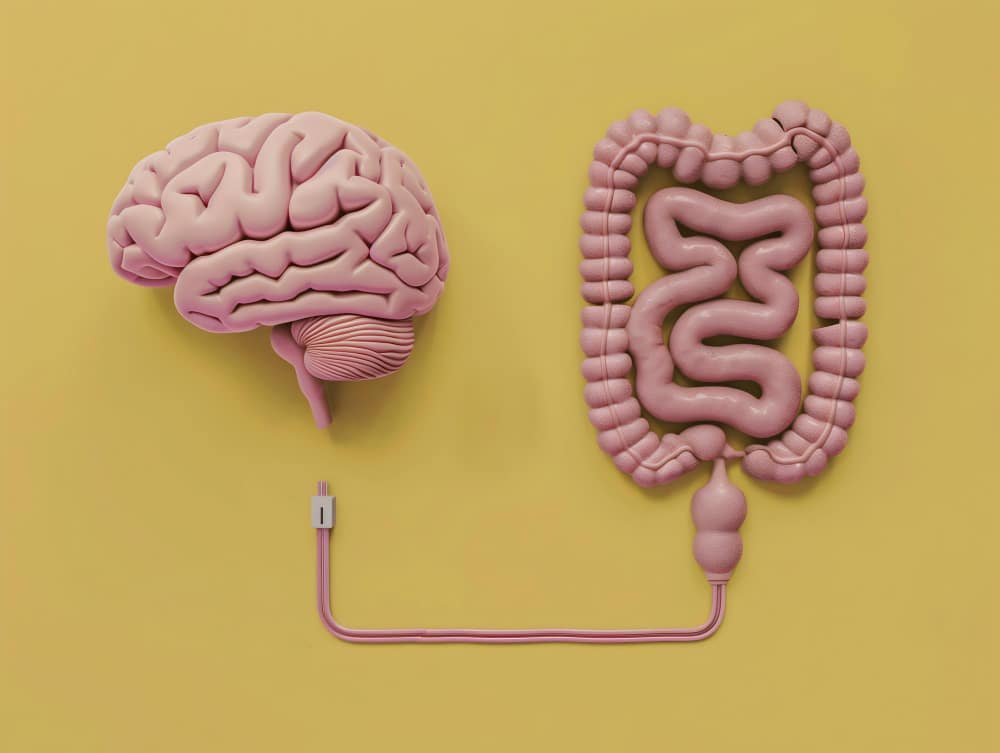
Obesity is now recognised by many professional organisations as a chronic, relapsing disease involving complex interactions between biology, behaviour, and environment. Gut hormones sit inside this wider network, often referred to as the gut brain axis, which connects the digestive system and the nervous system.
Because of this complexity, researchers are starting to look at combinations of different hormone pathways rather than single targets in isolation. These approaches aim to better reflect the natural mix of signals seen after eating or after bariatric surgery, but they are still under active investigation and may not be suitable for all populations.
There are also open questions about long term safety, potential side effects, and how these treatments interact with mental health, eating patterns, and quality of life. Data in children, adolescents, older adults, and diverse ethnic groups remain more limited than in some other populations.
For now, the role of gut hormones in obesity treatment is best viewed as an evolving area of science. Ongoing studies will be needed before firm conclusions can be drawn for everyday clinical practice in different countries and healthcare systems.
Gentle next steps for curious readers
If you find the idea of gut hormones interesting, you might choose to follow trustworthy public health sources, academic institutions, or recognised medical organisations as they share updates. These bodies usually review evidence from multiple trials before making any formal statements.
Anyone who has questions about their own health, symptoms, or treatment options can speak with a suitably qualified healthcare professional who can consider the full clinical picture. It can help to write down questions in advance, for example about how biology, lifestyle, and mental wellbeing may interact.
Being informed about gut hormones does not mean you need to act on this information. Learning can simply be a way to better understand how complex and multi layered the science of obesity has become.