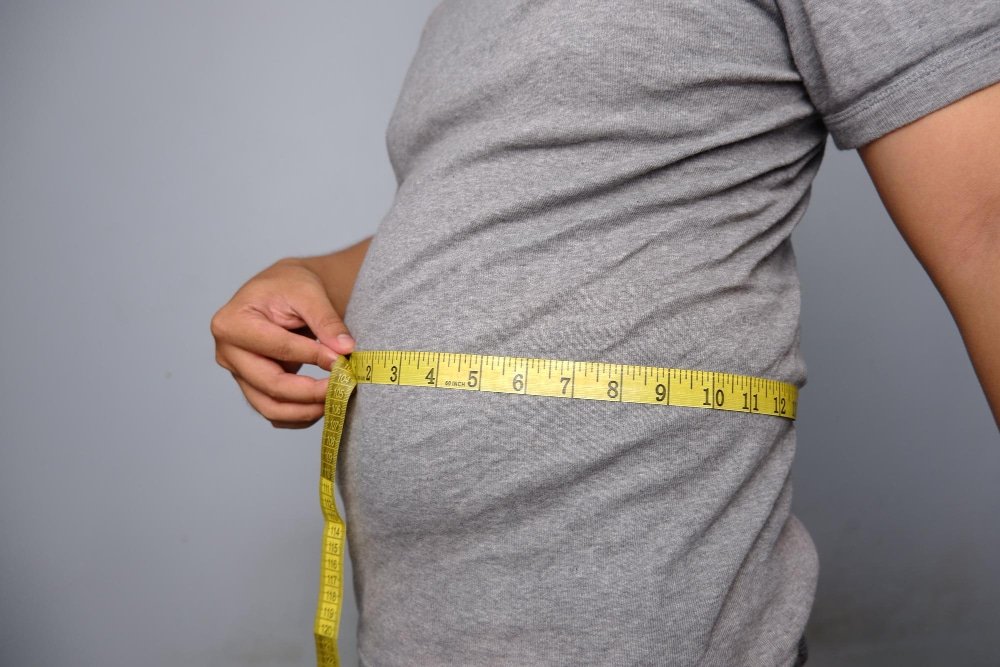
Waist size is more than a clothing detail. It is one of the simple measurements that can hint at how much fat sits deep inside the abdomen, which may affect long term health risks in some people.
A Tape Measure That Tells a Bigger Story
Picture your waist measurement as a quick snapshot of where your body stores fat. Two people can have the same body mass index yet very different waist circumferences, which means their risk profiles may not be identical. Research suggests that fat around the abdomen is more strongly linked with certain heart and metabolic risks than fat stored in other areas such as hips or thighs.
In many studies, people with larger waists showed higher rates of conditions such as type 2 diabetes, high blood pressure, and cardiovascular disease, even when their body mass index fell in what is usually considered a normal or only slightly raised range. This makes waist circumference a useful extra piece of information when health professionals are trying to understand overall risk.
What the Evidence Signals Right Now
Over several decades, large population studies have found that waist circumference is linked with future risk of illness and in some groups with risk of death, independent of body mass index. People in the highest waist circumference categories often show higher rates of heart attacks and other cardiometabolic problems than those with smaller waists, even within the same body mass index band.
Professional groups focused on obesity and cardiovascular health have described waist circumference as a potential vital sign in clinical practice, meaning it can be considered alongside blood pressure, pulse, and other routine checks. These expert statements emphasize that combining waist measurement with body mass index may identify a higher risk pattern of obesity better than relying on either measure alone.
At the same time, researchers note that adding waist circumference to some formal cardiovascular risk scoring tools has not always shown clear improvement in prediction statistics. This means its value may lie more in highlighting abdominal fat related risk and tracking changes over time rather than in replacing established risk calculators.
What a Waist Measurement Cannot Tell You by Itself
A number on a tape measure does not diagnose a disease on its own. Waist circumference does not capture every aspect of health, such as fitness level, mental wellbeing, diet quality, sleep, or genetic factors. People with similar waist sizes can still have different blood pressure readings, cholesterol patterns, and glucose levels.
There is also uncertainty around exact cut off values for different populations. Sex, age, and ethnicity can influence where fat is stored and what level of waist circumference is associated with increased risk, and not all groups have been equally represented in studies. For these reasons, many experts view waist measurement as a supportive marker rather than a stand alone decision tool.
How Waist Fits into the Wider Risk Picture
In a typical clinical setting, waist circumference sits alongside other information such as body mass index, blood tests, blood pressure, smoking status, family history, and symptoms. When these pieces are viewed together, they can help build a more complete picture of cardiometabolic risk than any single measure alone.
Some public health materials encourage people to know their waist measurement in the same way they might know their blood pressure or cholesterol figures, as a starting point for discussion with a health professional. Because abdominal fat is often more metabolically active, changes in waist size over time may reflect shifts in risk related factors such as blood sugar and blood fats, although this is not guaranteed for every individual.
Take Home Note
For many people, seeing a simple tape measure reading can make the concept of cardiometabolic risk feel more concrete and understandable, which may support more engaged conversations about health priorities and realistic next steps.
Waist circumference is a quick, low cost measurement that offers extra insight into how fat is distributed around the body and how that pattern has been linked in research to future health risks. The science suggests that it can refine risk assessment when combined with body mass index and other clinical information, while also recognizing that it is not perfect, not equally studied in all groups, and not a substitute for a full medical evaluation.
Anyone who is curious about what their waist measurement means in their specific situation can choose to bring it to a qualified health professional and ask how it fits into their overall risk picture. This kind of shared, informed discussion can help align decisions with personal values, cultural context, and up to date scientific understanding.